
Lining fabric is often light and slippery, so a small grain distortion during cutting can cause a finished garment to rotate or hang unevenly at the hem. Grain direction and relaxation still matter even when the material is hidden by the shell; poor control can lead to drag, twisted sleeve lining and distorted seams. Panel direction should remain consistent from roll receipt through cutting, bundling and assembly.
Compare warp, weft and bias behavior first
The warp direction may be more dimensionally stable, while the weft and bias can extend more easily in the same lining. Mark small specimens by direction and compare extension, recovery, drape and sheen. Indicate the reference direction for center panels, sleeves and curved areas in the work instruction according to the required movement and stability.
Inspect bowing, skew and grain distortion in the roll
If the weft bows or runs diagonally instead of remaining square, panel grain can be distorted even when the pattern is placed straight. Check weft alignment and squareness at the beginning, middle and end of the roll, and mark sections outside tolerance. Avoid forcing the fabric square and cutting immediately, because recovery can distort the panels again.
Control relaxation and lay height before cutting
A lining wound under tension can change in length and width after spreading. Allow a suitable relaxation period for the fabric and storage condition, and compare slippage or extension between the top and bottom layers of a lay. Excessive lay height can compress lower layers and shift upper ones, increasing dimensional and grain differences from the same pattern.
Use one-way cutting when sheen or shade direction requires it
Taffeta or lustrous lining can appear as a different shade when panels are rotated 180 degrees. Check both orientations under daylight and indoor lighting, and apply one-way cutting marks when a difference is visible. Keep bundle numbers and directional arrows together so left and right sleeves or front linings are not cut in opposing directions.
Check pattern restraint and cutting-blade condition
Slippery fabric can move when patterns are restrained or as the blade travels. Use low-damage controls such as vacuum, paper underlay or suitable weights, and avoid dragging the fabric with a dull blade. Overlay reference points from the first and last plies to assess movement before adjusting the lay height.
Check panel balance and hanging before assembly
Panels with correct dimensions can still hang differently when their grain directions differ. Hang paired panels in the same orientation and compare hem level, twisting and recovery; verify centerlines before sewing long pieces such as sleeve linings. For garments supplied to the humid GCC region, assess the lining fabric assembly using actual storage humidity and wearer movement rather than location labels alone.
Practical checklist
- Check weft bow and skew at the beginning, middle and end of the roll.
- Record elongation and drape in warp, weft and bias directions.
- Control relaxation time, lay height and inter-ply slippage before cutting.
- Maintain one-way cutting arrows when sheen or shade changes by direction.
- Hang paired panels and compare hem level and twisting before sewing.
Related products and consultation
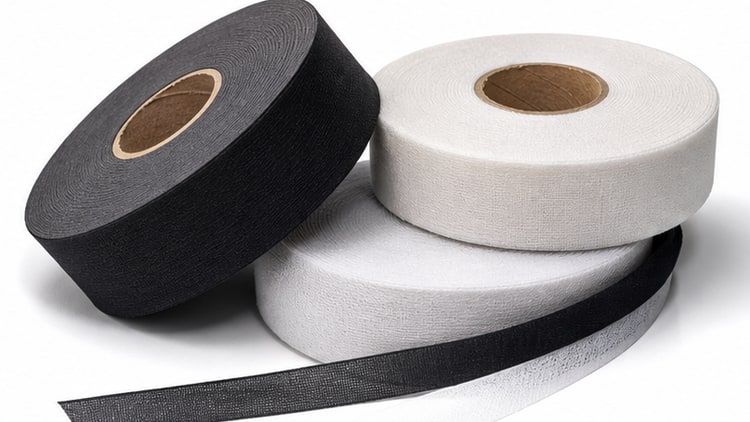
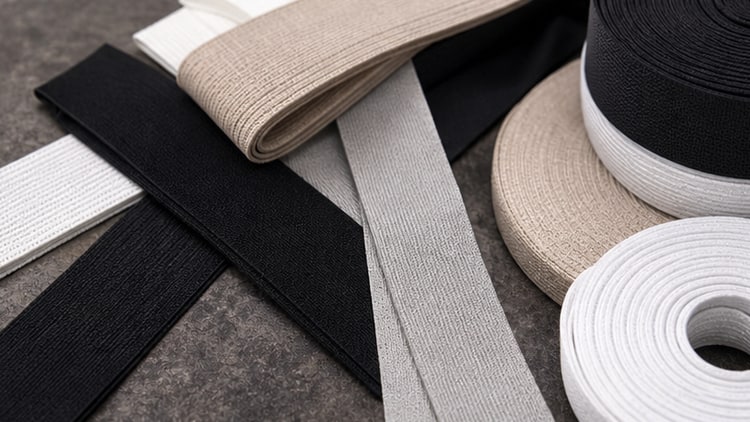
The grain direction of lining fabric should be finalized by its movement in the assembled garment. Review internal pocket panels with the grain and shrinkage of pocketing fabric, and confirm that any garment tape does not over-restrict drape. Share fabric width, construction, pattern direction and sewing specification through contact with a lining fabric supplier.
FAQ
Must lining always be cut in the same grain direction as the shell?
Not always, but the direction should follow pattern function and movement and remain consistent across paired panels. When changing direction, verify hanging balance and drag in the completed assembly.
What causes a lining panel to rotate after cutting?
Common causes include skewed fabric, insufficient relaxation, inter-ply slippage and mixed directions between paired panels. Trace the roll section and ply position to identify where the directional difference was introduced.