Pocketing fabric is hidden inside a garment but often carries concentrated loads from keys, phones or tools, so a small cut or needle hole can grow quickly. Tensile strength alone does not describe both tear propagation from an existing notch and multidirectional bursting under a rounded load. Compare tear and burst tests together with the actual sewn pocket construction for the intended garment use.
Understand the difference between tear and burst strength
Tear strength measures how readily an existing rip propagates through the construction, while burst strength measures resistance to multidirectional pressure across the fabric surface. Tear behavior may be more relevant to sharp objects or seam notches, and burst behavior to rounded contents or an overfilled pocket. Evaluate each failure mode rather than combining both values into one ranking.
Test tear strength separately by warp and weft
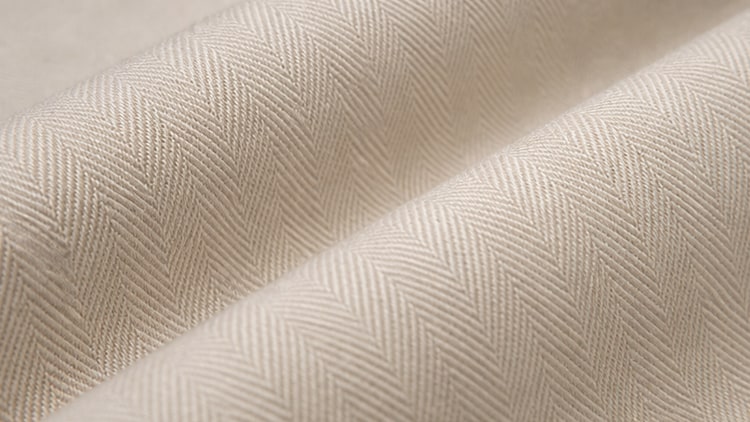
Twill and herringbone pocketing fabrics can tear differently along warp and weft because yarn density and interlacing differ. Standardize specimen direction, notch length, test speed and sampling location, and run several replicates in each direction. Record the lowest result and whether the tear path curves along the construction, not only the average.
Control clamping and deformation during burst testing
A specimen that slips in the clamp or fails first at the edge does not represent true fabric burst strength. Keep test area and clamping pressure consistent, and observe failure location, dome height and yarn-break pattern. For candidates with different coatings or surface friction, record slippage separately under the same clamping condition.
Test seams and pocket corners as an assembly
Adequate fabric strength does not prevent sharp corner cuts, excessive seam notches or dense needle holes from becoming tear starters. Apply repeated loads to a pocket assembly made with the actual stitch density, thread, seam allowance and bartack, and distinguish fabric rupture from seam failure. Mark reinforcement locations in the work instruction based on the observed result.
Compare strength after washing and wet exposure
Cotton-blend pocketing may shrink and tighten after washing, while some fibers change strength when wet. Compare initial, target-cycle and fully dried results in the same direction. Separate from colorfastness or pilling tests, inspect whether the tear-start location or burst pattern changes after care.
Link acceptance criteria to the actual carrying load
Applying one strength limit to a suit pocket and a workwear tool pocket can create either over-specification or early failure. Define expected content weight, edge shape, pocket depth and wearer movement, then compare results with an approved reference. For workwear supplied to the UAE, Saudi Arabia or Qatar, communicate actual loads and care conditions to the pocketing fabric supplier rather than relying on country names alone.
Practical checklist
- Define pocket use, expected load and whether contents have sharp edges.
- Repeat warp and weft tear tests with the same notch and speed.
- Record clamp slippage and edge failure separately in burst testing.
- Test a pocket assembly with actual stitches, thread, seam allowance and bartack.
- Recompare strength and failure location after washing, wet exposure and drying.
Related products and consultation
Pocketing fabric should be compared through tear and burst behavior in the actual pocket assembly, not only construction and weight. Opening or corner reinforcement can be evaluated with garment tape and fusible interlining under the same sewing conditions. Share garment use, pocket size, expected load and care method through contact.
FAQ
Does high tensile strength always mean high tear strength?
Not always. Strong yarns can still shift in an open construction, or a notch can propagate quickly in one direction, so tear testing should be evaluated separately.
Can pocketing fabric be approved from fabric-only tests?
Fabric-only tests help compare candidates, but final approval requires the actual pocket assembly. Corner cuts, needle holes, seam allowance and bartacks can substantially change the failure location.