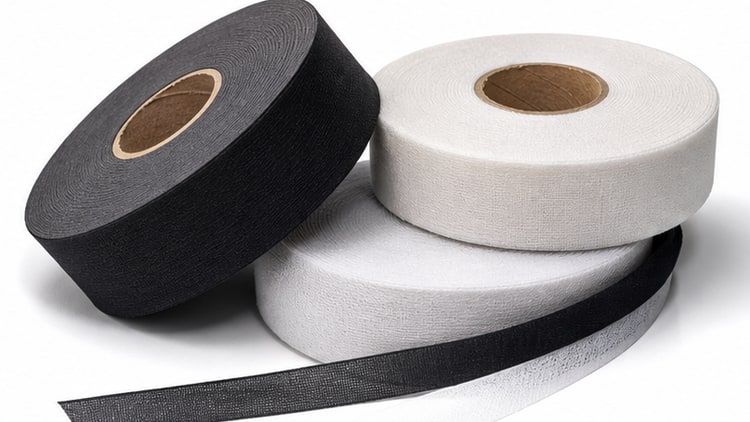
garment tape는 봉제 보강, 마감, 형태 유지 등 다양한 목적으로 사용되는 부자재입니다. 제품의 구조와 봉제 방식에 따라 필요한 폭, 두께, 재질이 달라집니다.
Main uses
- Sewing area reinforcement
- Finishing line arrangement
- Shape retention and stretching prevention
- Uniform and functional clothing reinforcement
Selection criteria
The tape must be reviewed for its harmony with the shell fabric, sewing process, required strength, color, and width. Even with the same tape, results may vary depending on the application area and product purpose.
Information Needed for Consultation
- Areas of use and clothing to be applied
- Required width and color
- Monthly usage or ordering quantity
- Sewing and finishing method
Related products are garment tape You can check it on the page.
garment tape 사용을 실무에서 판단하는 방법
garment tape 사용은 단일 기준만으로 결정하기보다 완성품의 용도, 목표 품질, 생산 일정까지 함께 놓고 검토하는 것이 안전합니다. 특히 본 생산에 들어간 뒤 부자재 문제가 발견되면 재단·봉제 일정 전체가 밀릴 수 있으므로, 샘플 단계에서 기준을 명확히 잡아두는 것이 좋습니다.
Quality Check Checklist
- Check seam reinforcement, clean finishing lines, shape retention and stretch prevention first.
- Compare thickness and hand feel with the outer fabric and subsidiary material together.
- Check that there are no appearance changes after sewing or fusing.
- For repeat production items, check whether the same specification can be supplied again.
Information to Prepare Before Inquiry
If you prepare application area, width, color and sewing method in advance, consultation and sample proposals can be much faster. If you have a material currently in use, sharing the product name, photos, sample and any issues is also helpful.
Final Decision Criteria
Even when subsidiary materials are not highly visible in the finished garment, they affect comfort, durability and production stability. Therefore, it is safest to compare price, delivery and quality standards together and, when necessary, test with the actual fabric before finalizing specifications.