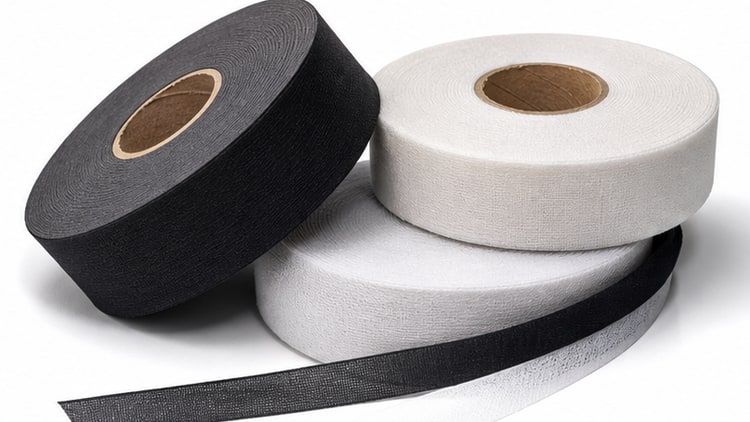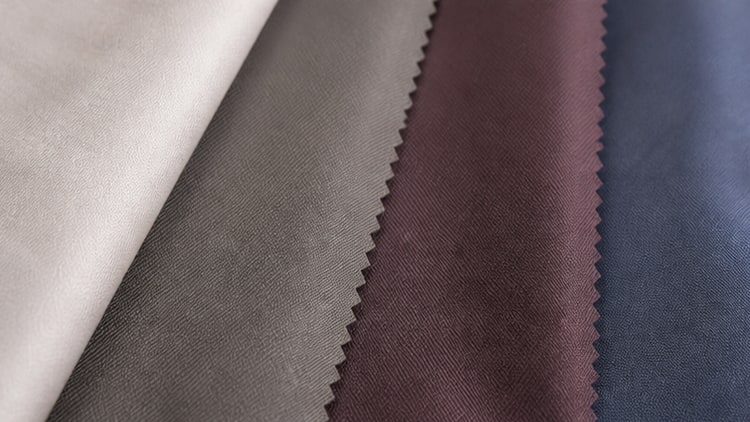
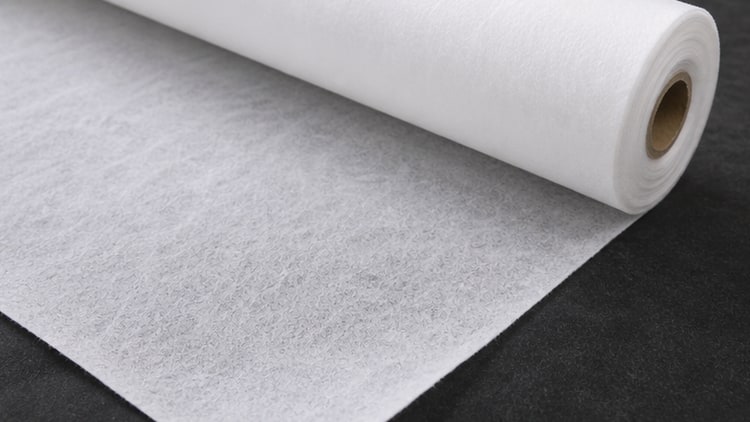
Nonwoven coating processing is a finishing method that expands the use of a material by adding an adhesive layer or functional layer to the required surface instead of changing the entire fabric.
Basic concept of nonwoven coating processing
Nonwoven fabric is lightweight and easy to process, so it is used not only for apparel subsidiary materials but also for industrial support materials. By applying one-side coating, adhesion, reinforcement, water-repellent or stain-resistant support and surface stability can be adjusted according to the purpose.
Why one-side coating is needed
Compared with coating both sides, processing only one side can maintain some of the original hand feel and flexibility while adding function only to the necessary surface. The coating direction depends on which side touches the outside and which side bonds to another material in the final product.
Connection with apparel interlining technology
Fusible interlining is a representative coating application that forms an adhesive layer on one side of the material and bonds it with the shell fabric. This experience can also be applied when reviewing nonwoven protective materials, reinforcement materials, wiper fabrics and industrial cover materials.
Material conditions to check before processing
Nonwoven weight, thickness, surface uniformity, thermal stability and winding condition all affect coating quality. Even with the same nonwoven fabric, a rough surface or low density can prevent the coating layer from forming evenly.
Suitable consultation process
Rather than assuming mass production from the beginning, it is safer to confirm the coated side, adhesion, flexibility and surface condition after drying through sample testing.
Practical checklist
- Check the fabric type and weight.
- Clearly specify the front or back side to be coated.
- Separate apparel use from industrial use.
- Check heat, humidity, friction and washing conditions in advance.
- Confirm production conditions after sample testing.
FAQ
Can nonwoven coating be applied to every fabric?
It cannot be applied to every fabric in the same way. Pre-testing is required depending on the material’s thermal stability, surface uniformity, thickness and coating purpose.
Is one-side coating the same as laminating?
The purpose can be similar, but the structure is different. Coating forms a functional layer on the surface, while laminating is closer to bonding another material to it.
Information to prepare before consultation
If you share the fabric type, width, weight, desired coating side, end use, required adhesion and washing, heat or friction conditions, we can review the processing direction more quickly.
Related service details are available on the Textile Coating and Laminating Processing page. For sample testing and quotations, please use the contact page.