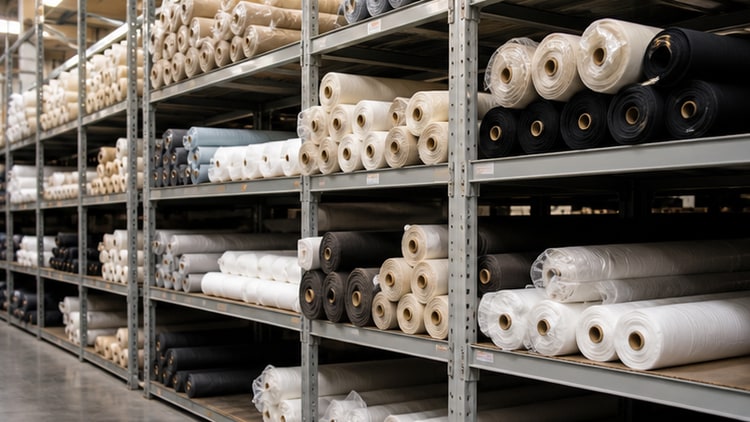
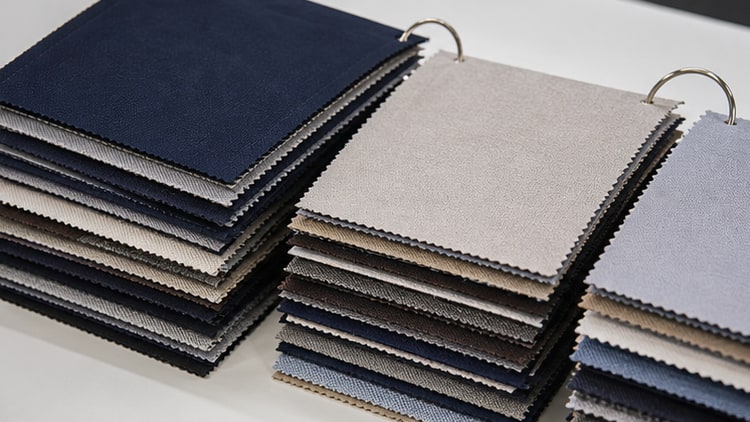
Incoming inspection for apparel materials is not simply a matter of opening every unit. It defines lots made under comparable conditions, selects representative samples and assesses risk before bulk use. Interlining, lining fabric, pocketing fabric, padding and garment tape require different inspection points and defect priorities. Purchase specifications, approved samples, package labels and delivered goods should be connected under one control record to reduce large-scale defects discovered later.
Define the inspection lot and unit first
Even under one item number, materials from different production dates, dye batches, raw-material batches, widths or package units may not belong in one inspection lot. For rolled goods, define the roll or a fixed length as the inspection unit; for sheet padding or boxed tape, define the bundle or carton. Unclear lot boundaries allow good samples to hide a localized problem and weaken the reliability of the decision.
Agree on AQL and acceptance rules before ordering
AQL is not permission to ship defects; it is a tool for operating sample size and acceptance or rejection rules at an agreed risk level. Inspection level, lot size and AQL by defect class vary with buyer requirements and the selected standard, so they should not be invented after receipt. For hand feel, drape or sheen without a numeric limit, use approved and boundary samples to reduce inspector-to-inspector variation.
Classify critical, major and minor defects by impact
Defect classes should be based on safety, function, sewability and consumer visibility rather than visual size alone. A small-looking defect can be major when it affects finished-garment function, such as broad adhesive loss on fusible interlining, repeated lining contamination or substantial padding-weight variation. A localized defect that can be fully removed during marker planning may be handled separately when its position and yield loss are recorded.
Select samples randomly across the entire lot
Inspecting only top cartons near the receiving door or roll ends creates bias by package position and production time. Include upper, middle and lower pallet levels, shipping sequence, and roll beginning, middle and end, with selection numbers fixed before inspection. If a retest is allowed, draw a separate sample from the remaining lot rather than repeatedly examining the units already seen.
Link material-specific checks to one common record
A common record should include item number, lot, quantity, width, weight, shade, package condition and label, followed by material-specific tests. Check adhesive dots and bonding for interlining, shade and construction defects for lining and pocketing fabric, weight and thickness recovery for padding, and width and elongation for tape. Record the instrument, test condition and approved-sample number so results can be reproduced with the supplier.
Define quarantine, retest and concession routes for rejected lots
Rejected material should be physically separated from accepted stock and blocked from issue in the inventory system. Record the approver and affected quantity for sorting, rework, return or conditional use. Across a Korea and Vietnam textile material supply network serving the GCC region, shared lot numbers, photos and measurement forms help the textile materials supplier, garment factory and buyer align on the cause more quickly.
Practical checklist
- Separate inspection lots by production date, batch, width and package unit.
- State the inspection level and AQL by defect class in the purchase specification.
- Draw random samples from multiple pallet and roll positions.
- Keep the approved-sample number, test conditions and defect photos in one record.
- Quarantine rejected goods and control the approval route for retest, sorting or return.
Related products and consultation
Incoming inspection points should be tailored to product groups such as fusible interlining, lining fabric, pocketing fabric and padding material. Share purchase specifications, approved samples and target inspection conditions through contact.
FAQ
Does passing AQL inspection guarantee that no quality issue exists?
No. AQL is a method for making a lot decision within an agreed sampling risk. Performance tests that affect end use, including bonding, washing and sewn assembly, must still be evaluated separately.
Can several supply lots be combined for one inspection?
It is safer to keep them separate unless there is evidence that production batch and quality conditions are equivalent. Combining lots can allow good units from one batch to mask defects in another.