
Uniforms are exposed to repeated wearing and washing more than many fashion garments. Even with the same shell design, poor selection of interlining, lining, pocketing fabric or garment tape can lead to neckline stretching, pocket sagging, lining friction and shape distortion after washing. Uniform materials should be selected by reviewing actual use conditions and repeat production stability, not only the first sample appearance.
Why material standards matter in uniforms
Uniforms are often reproduced multiple times once approved. Clear material standards at the beginning help reduce color variation, distortion after washing and delivery delays. For school uniforms, hotel uniforms, medical wear and workwear, small differences in subsidiary materials can affect garment life.
Review interlining by structure and wash performance
Collars, plackets, pocket openings and shoulder areas can lose shape easily in uniforms. Fusible interlining provides reinforcement, but delamination can occur depending on washing conditions and shell fabric blend, so temperature, pressure and time should be tested first. Knit or stretch fabrics require specifications that follow fabric movement rather than excessive stiffness.
Check friction and durability for lining and pocketing fabric
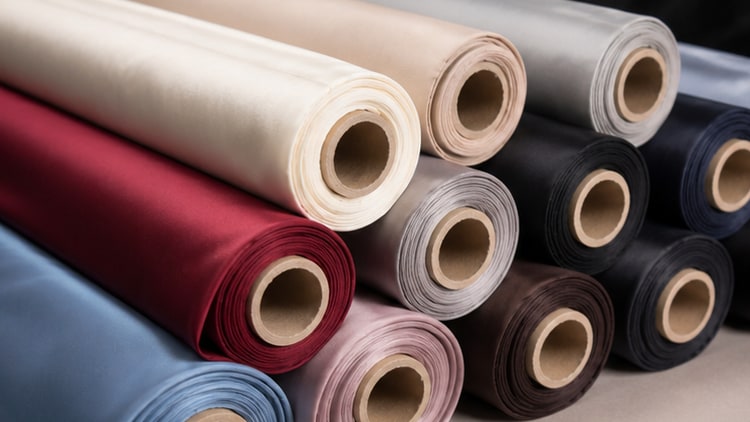
Lining fabric is directly related to comfort and movement, while pocketing fabric receives repeated friction and load. Selecting only by color can cause friction noise, color transfer or pocket opening damage. During sampling, review lining smoothness, static, pocketing fabric density and rubbing fastness together.
Define garment tape reinforcement areas early
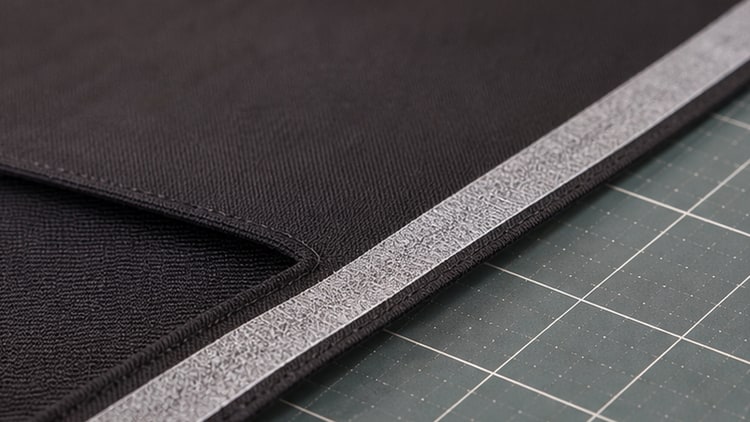
Necklines, shoulder seams, zipper areas and pocket openings receive frequent stress during wear. Adding garment tape late can affect process flow and cost, so tape width and application areas should be defined during pattern review.
Lead time and stock continuity are part of the specification
Uniforms may require additional orders by season or contract. If the first material is only one-off stock, matching color and quality in repeat production becomes difficult. For Middle East or GCC orders and Vietnam production, supply route and repeat lead-time availability should be reviewed together.
Practical checklist
- Clarify wearing environment, washing frequency and care method first.
- Separate reinforcement areas such as collar, placket, pocket and shoulder seam.
- Test interlining adhesion according to shell fabric blend and washing condition.
- Check friction and durability, not only color, for lining and pocketing fabric.
- Confirm repeat production availability and lead-time stability during consultation.
Related products and consultation
Uniform materials can be reviewed across fusible interlining, lining fabric, pocketing fabric and garment tape. Share the garment use and care condition through the contact page for suitable combinations.
FAQ
Should uniform interlining be selected differently from fashion apparel interlining?
Yes. Since uniforms are worn and washed repeatedly, shape retention after washing and repeat production stability should be prioritized over first appearance only.
What information should be shared first when requesting samples?
Share garment use, shell fabric blend, application area, washing method, estimated quantity and lead time to narrow down suitable options quickly.