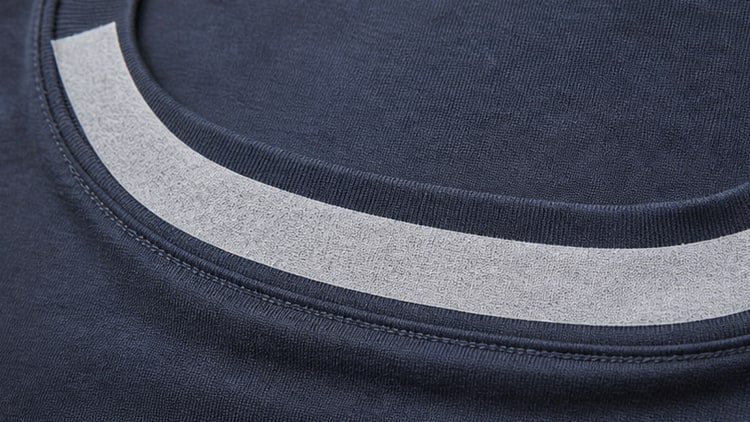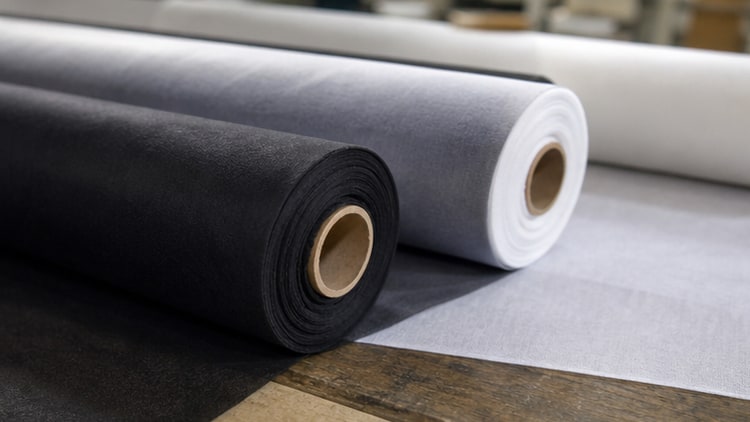

Although pocketing fabric sits inside a garment, it repeatedly contacts hands, phones and wallets. Check abrasion fastness and color-migration risk as well as construction and weight. For dark shell fabrics, light linings, and trousers or uniforms exposed to perspiration and moisture, test the actual material combination at the sampling stage.
Treat Color Migration and Abrasion as Different Issues
Color migration is the transfer of dye from one fabric to another, while abrasion fastness assesses color change or staining caused by rubbing. The two can occur together, but their causes and test methods differ, so first define which defect you need to reduce.
Test in the Actual Combination with Shell Fabric and Lining
A pocketing sample alone cannot reproduce the actual contact inside a garment. Prepare the shell fabric, pocket-opening binding and lining that will touch it, and give priority to light-and-dark color combinations. pocketing fabric productsare selected more accurately when this combination information is provided.
Separate Dry and Wet Abrasion Conditions
Even when there is no issue in dry conditions, color can transfer under moisture or perspiration. Test and record results separately after laundering, in wet conditions and under repeated abrasion according to the garment use.
Check Construction and Surface Characteristics
Twill, HBT and plain weave can differ in surface feel and abrasion response. Rough surfaces or high-friction areas can show pilling and color change, so assess them through use-like actions such as inserting and removing a hand.
Document Approval Criteria Before Bulk Production
Defining pass criteria, reference color, number of test cycles, laundering method and responsible evaluator allows consistent review when a lot changes. Keep sample-approval results with the delivery specification.
Practical checklist
- Have light-and-dark material contact combinations been selected?
- Have dry and wet abrasion conditions been separated?
- Have color change and migration been checked after laundering?
- Has actual contact among the pocket opening, lining and shell fabric been reproduced?
- Have bulk-production approval criteria and evaluation records been retained?
FAQ
Is fastness less important because pocketing fabric is inside the garment?
No. Pocket interiors experience repeated friction from hands and personal items and can be affected by perspiration or moisture, so checks should match the use environment.
Is color-migration testing needed only for dark colors?
Dark colors are a high priority, but other colors may also need checking depending on their combination with a light shell fabric or finishing conditions. Judge by the actual material combination.
If you share the garment application, color combination and laundering conditions, the Lantor Bontex contact pagecan help review pocketing specifications and sample-check items.