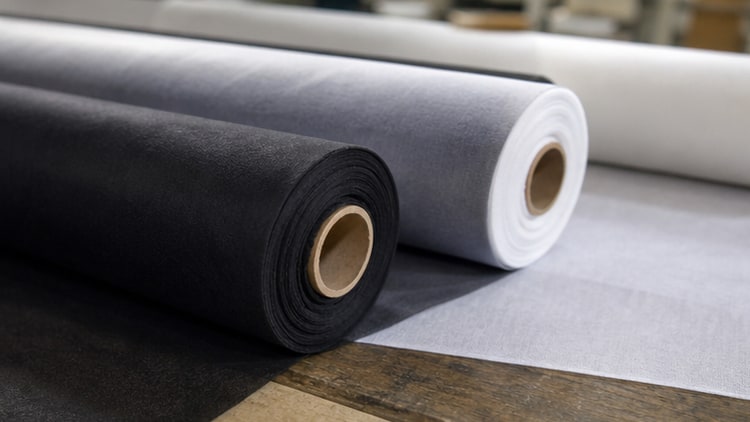
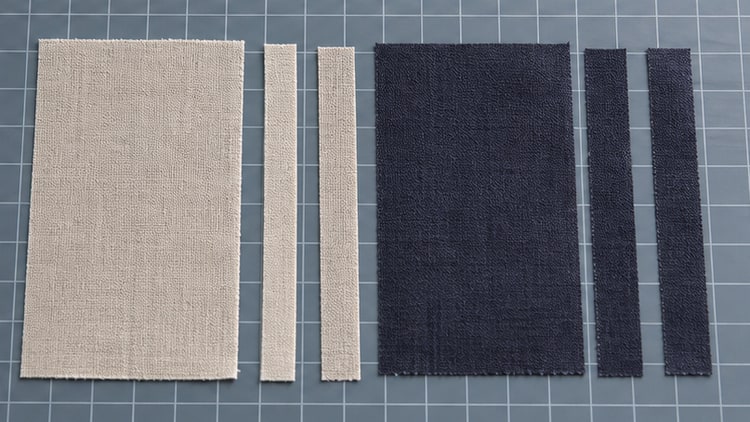
Apparel interlining is a core material that stably holds the shape of the shell fabric and improves sewing perfection. Even with the same interlining, application results vary depending on the adhesive method, fabric structure, thickness, and hand feel, so it is important to clearly establish standards before production.
fusible interlining란?
fusible interlining는 열과 압력으로 원단에 부착해 사용하는 심지입니다. 셔츠 칼라, 커프스, 재킷 앞판, 코트, 유니폼 등 형태 유지가 필요한 부위에 널리 사용됩니다. 접착 온도, 압력, 시간, 세탁 조건을 함께 검토해야 안정적인 결과를 얻을 수 있습니다.
Non-Fusible Interlining란?
Non-Fusible Interlining는 접착제를 사용하지 않고 봉제나 삽입 방식으로 형태를 보강하는 자재입니다. 자연스러운 촉감과 유연성이 필요하거나, 접착 공정이 적합하지 않은 원단에 사용할 수 있습니다.
Things to check when choosing
- Thickness and texture of shell fabric
- Shape stability required
- washing or dry cleaning conditions
- Sewing process and adhesive facilities
Consultation for each product fusible interlining, Non-Fusible Interlining You can check it on the page.
Differences in production process depending on adhesive method
fusible interlining와 Non-Fusible Interlining는 완제품에서 비슷한 역할을 하더라도 생산 공정은 다릅니다. fusible interlining는 프레스 설비를 통해 원단에 부착하므로 온도, 압력, 시간이 일정해야 하고, Non-Fusible Interlining는 봉제 방식이나 삽입 구조에 따라 형태를 잡습니다. 따라서 생산 라인에 어떤 설비가 있는지, 작업자가 어떤 공정에 익숙한지까지 함께 고려해야 합니다.
Application direction by fabric
- Shirts: 칼라와 커프스의 형태 안정이 중요해 fusible interlining를 많이 검토합니다.
- Jackets/coats: Adhesive/non-adhesive can be applied depending on the silhouette of the front, lapel, and shoulder area.
- Luxury Clothing: 자연스러운 촉감이 중요하면 Non-Fusible Interlining나 woven interlining를 함께 검토합니다.
- uniforms: Repeated washing and shape maintenance are important, so durability and adhesive stability must be checked.
Checklist before ordering
- Have you tested with shell fabric fabric samples?
- Have you checked the washing conditions for the finished product?
- Have you set the press temperature and pressure conditions?
- Did you check the differences in hand feel, thickness, and color?
- Is it possible to supply the same specifications during repeat production?
Frequently Asked Questions
fusible interlining가 항상 더 좋은가요?
그렇지 않습니다. 형태 안정이 중요하고 접착 공정이 가능한 제품에는 유리하지만, 자연스러운 촉감이나 특수 봉제 구조가 필요한 제품에는 Non-Fusible Interlining가 더 적합할 수 있습니다.
Can I produce it right away without testing?
Not recommended. Adhesion results may vary depending on fabric post-processing, dyeing, and thickness, so it is safe to begin production after at least testing a sample.
Related product: fusible interlining · Non-Fusible Interlining · woven interlining