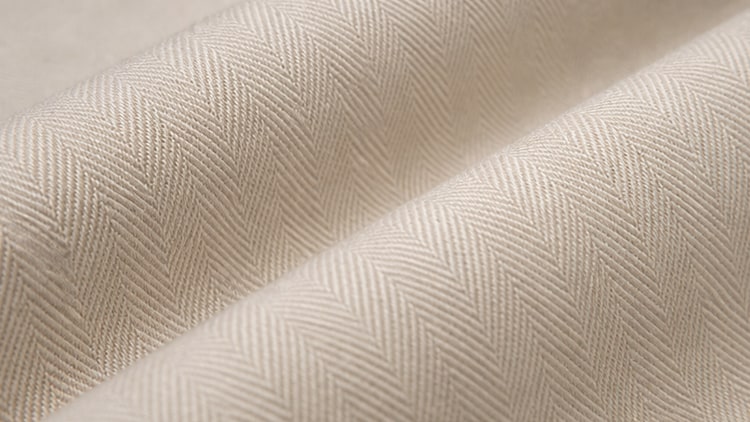

nonwoven interlining는 의류 형태를 안정시키고 봉제 품질을 일정하게 만드는 데 자주 사용됩니다. 하지만 단순히 두껍거나 얇은 제품으로 고르기보다 중량, 두께, 촉감, 접착 조건, 적용 부위를 함께 검토해야 합니다.
Weight and thickness are not the same standard
Weight refers to the weight per unit area, and thickness affects the actual volume and hand feel. Even if the weight is the same, it may feel softer or firmer depending on the fiber composition and processing method.
Selection criteria by application area
Areas that require shape stability, such as the collar, front hem, sleeves, and waist, may lose shape if interlining is too weak. Conversely, an overly hard interlining on a thin, soft fabric can ruin the feel of the shell fabric.
Harmony with fabric
If the shell fabric is thin or transparent, the interlining color and surface texture are also important. If the fabric shrinkage rate and interlining shrinkage rate do not match, tearing or warping may occur after washing, so it must be checked after sample bonding.
Pre-production test points
Appearance, hand feel, bending after bonding, change after washing, sewability, and cutting stability must be examined together. It is safe to test under actual working conditions, especially before mass production.
Information Needed for Consultation
의류 종류, 적용 부위, 겉감 혼용률, 원하는 촉감, 세탁 조건, 월 사용량을 알려주시면 적합한 nonwoven interlining 후보를 좁히기 쉽습니다.
Frequently Asked Questions
Is sample testing necessary?
Because results can vary depending on the fabric, sewing conditions and washing requirements, sample testing before mass production is recommended.
Can you match the feel of an existing material?
If possible, please share an existing material sample, photos, weight, width and composition information. This helps us review similar options more quickly.
Related product: nonwoven
Why Weight and Thickness Should Be Reviewed Together
nonwoven interlining는 중량이 높다고 무조건 강하고 좋은 선택이 되는 것은 아닙니다. 같은 중량이라도 원단 조직, 접착 수지, 가공 방식에 따라 촉감과 형태 유지력이 달라질 수 있습니다. 얇은 겉감에는 표면 울림과 비침을, 두꺼운 겉감에는 충분한 보강력을 함께 확인해야 합니다.
Test Points by Application
- For shirt collars and cuffs, check shape retention and peeling after washing.
- For jacket fronts, check the balance between silhouette support and natural hand feel.
- For thin fabrics, check interlining color, show-through and surface change.
- For uniforms, prioritize shrinkage and bonding stability after repeated washing.
Information Needed for Consultation
If you share the outer fabric type, application area, desired stiffness, washing method and existing interlining sample, the suitable weight and thickness range can be narrowed down more quickly.