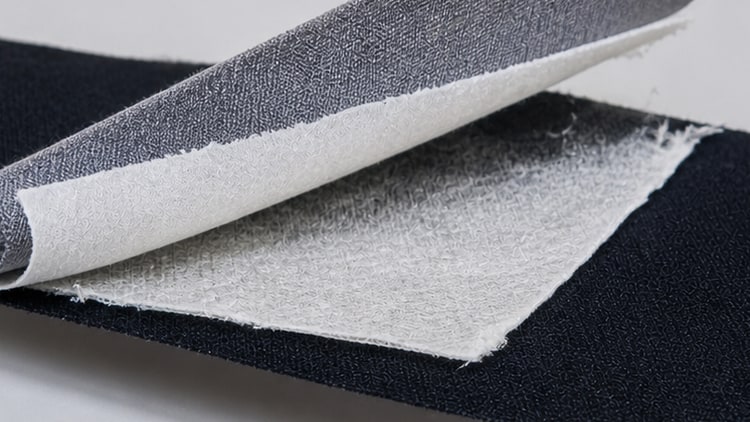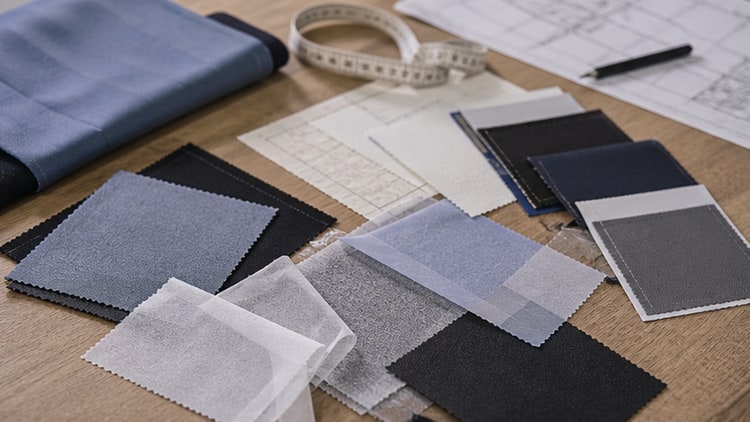

fusible interlining는 같은 제품이라도 원단, 접착 설비, 프레스 조건에 따라 결과가 달라질 수 있습니다. 특히 온도·압력·시간 조건이 맞지 않으면 들뜸, 수축, 번들거림, 접착 불량이 발생할 수 있습니다.
Why you need to look at bonding conditions together
fusible interlining는 접착 수지가 열과 압력에 의해 원단과 결합되는 구조입니다. 온도만 높다고 접착력이 좋아지는 것은 아니며, 압력이 부족하거나 시간이 짧으면 접착층이 충분히 안정되지 않을 수 있습니다. 반대로 과한 조건은 원단 손상이나 외관 불량을 만들 수 있습니다.
Temperature check criteria
The operating temperature must be determined in conjunction with the characteristics of the interlining resin, the heat resistance of the shell fabric, and the actual heat transfer status of the equipment. The displayed temperature may differ from the actual fabric surface temperature, so sample testing is required. For thin or sensitive fabrics, it is safe to check in stages starting from low conditions.
Pressure verification criteria
Pressure is important to ensure even bonding of the bonding layer to the fabric. If the pressure is insufficient, partial lifting may occur, and if the pressure is excessive, the fabric may be compressed or changes in gloss may occur. Results may be different for large and narrow areas even at the same pressure.
Time check criteria
Press time refers to the time for heat to be sufficiently transferred to the interlining and shell fabric. If the time is short, bonding will be weak, and if the time is long, shrinkage or marks may occur. Before production, it is recommended to test under conditions similar to the actual sewing process.
Information needed for ordering or consultation
원단 혼용률, 적용 부위, 세탁 조건, 요구 촉감, 사용 설비, 기존 작업 조건을 함께 알려주시면 fusible interlining 선정과 테스트 방향을 더 정확히 잡을 수 있습니다.
Frequently Asked Questions
Is sample testing necessary?
Because results can vary depending on the fabric, sewing conditions and washing requirements, sample testing before mass production is recommended.
Can you match the feel of an existing material?
If possible, please share an existing material sample, photos, weight, width and composition information. This helps us review similar options more quickly.
Related product: fusible interlining
Why Temperature, Pressure and Time Should Not Be Viewed Separately
fusible interlining 작업 조건은 온도, 압력, 시간이 함께 맞아야 안정적인 결과가 나옵니다. 온도만 높이면 접착력이 좋아질 것처럼 보일 수 있지만, 실제로는 겉감 변색, 수축, 번들거림이 생길 수 있습니다. 반대로 압력이나 시간이 부족하면 세탁 후 들뜸이나 박리가 생길 수 있습니다.
Production Floor Test Checklist
- Check the difference between the press setting temperature and the actual surface temperature.
- Check peeling after the material has cooled sufficiently, not immediately after fusing.
- After washing or dry cleaning, check shrinkage, lifting and appearance changes.
- Before bulk production, run sample tests under the same conditions as the actual outer fabric.
Why Recording Conditions Matters
Even with the same interlining, results can vary depending on fabric lot, finishing and equipment condition. Recording test conditions and results makes it easier to identify defect causes during repeat production and build stable production standards.