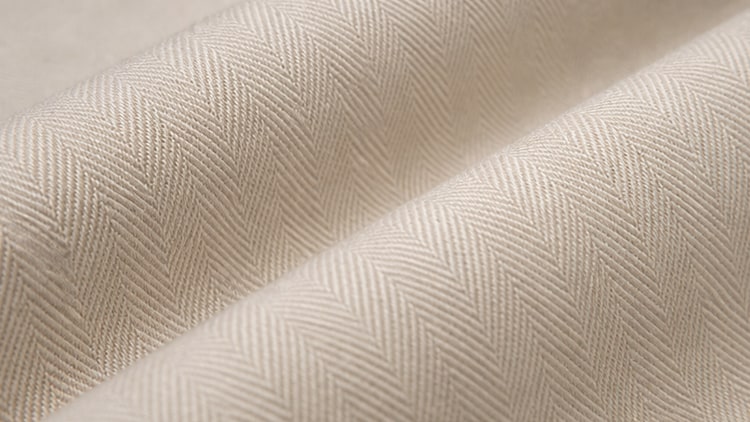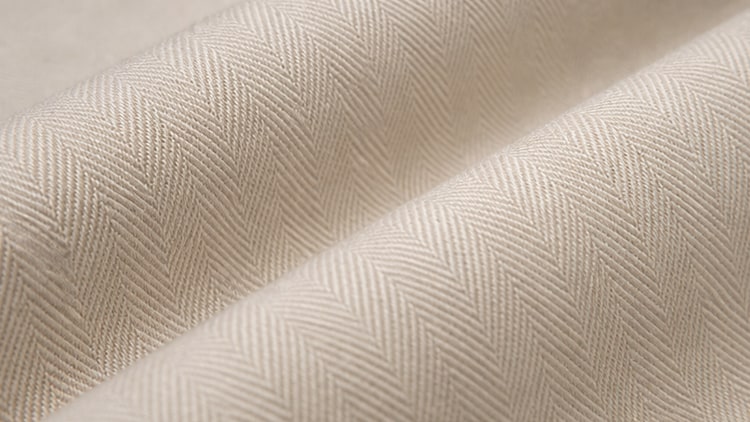
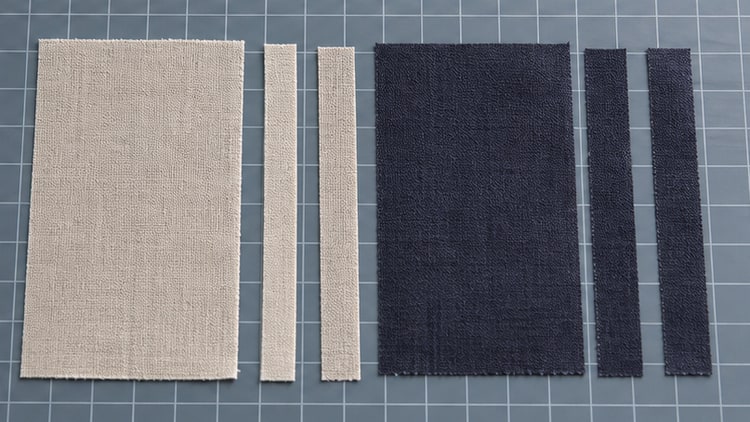
Even when fusible interlining bonds well, a large shrinkage difference between the shell fabric and interlining can cause pulling or bubbling after washing. On smooth garments such as shirts, blouses and lightweight jackets, even a small difference can become a visible defect. Before production, check shrinkage in the actual bonded combination rather than evaluating each material separately.
Why Shrinkage Matching Matters
If the shell fabric and interlining do not move in the same direction, a panel may look flat just after fusing but develop wrinkles, bubbles or edge curling during washing, steaming and wear. Consider warp and weft direction in woven fabrics, stretch direction in knits, and the fusing-coating conditions of the interlining together.
Fabric Information to Confirm First
List fibre content, construction, weight, finishing and the expected care method. Fabrics with a high cotton or rayon content, or with brushing, washing or tenter finishing, may behave differently in shrinkage. When selecting interlining, consultation on fusible interlining productsis faster and more precise when this information is provided with the request.
Make Test Pieces in the Actual Combination
Fuse one shell-fabric piece with one interlining piece under conditions close to production, and prepare an unfused shell-fabric piece for comparison. Mark the warp, weft or stretch direction and cut all test pieces from the same lot for reliable interpretation.
Fix and Record Fusing Conditions
Changing temperature, pressure, dwell time or cooling time changes both shrinkage and bonding. If you make multiple test pieces without fixed conditions, it is difficult to separate fabric effects from press effects. Record the approved settings on a work sheet and share them with the production team.
Recheck Appearance After Washing and Steaming
Do not measure dimensions only. Check for pulling, waviness, fusing marks and edge curling on a flat surface. Repeating washing, drying and steaming in the garment’s expected care method helps reduce the risk of field claims.
Practical checklist
- Have the shell-fabric and interlining directions been marked?
- Were dimensions measured on the same basis before fusing, after fusing and after washing?
- Were press temperature, pressure, time and cooling time recorded?
- Is a separate test needed for each application area, such as fronts, collars and cuffs?
- Has a responsible person been assigned to compare the approved sample with the production lot?
FAQ
Can we start bulk production if the shrinkage figures are similar?
No. Even with similar figures, directionality, hand feel after fusing and appearance after washing can differ. Confirm appearance with test pieces in the actual material combination.
What happens when the interlining shrinks more?
The shell surface can be pulled into wrinkles or puckering. If the shell fabric shrinks more, check for lifting and distortion along the interlining edges.
If you share the fabric information and expected care conditions, the Lantor Bontex contact pagecan help review interlining samples and test points for the intended application area.