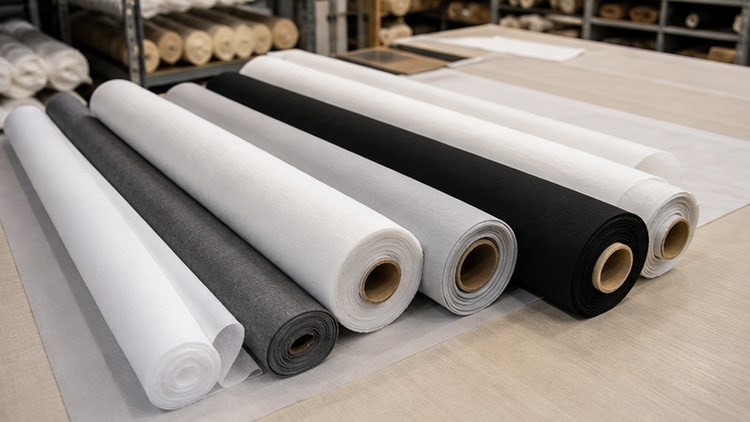
의류 생산에서 부자재는 겉감만큼 일정 관리가 중요합니다. 심지, lining fabric, 패딩, pocketing fabric, 테이프 중 하나라도 늦어지면 전체 봉제 일정이 밀릴 수 있습니다.
Why delivery lead time for materials is important
부자재는 여러 공정에서 동시에 필요합니다. 특히 심지와 lining fabric은 재단과 봉제 초기부터 투입되는 경우가 많아, 생산 전 확보 여부가 중요합니다.
Confirmation points before ordering
- Required quantity and allowance
- Repeatable production?
- Color matches specifications
- Receiving schedule and sewing schedule
Supplier selection criteria
It is advisable to look not only at the simple unit price, but also at the stability of quality, possibility of repeat supply, response to delivery lead time, and product consultation ability.
The product line is Lantorbontex product introductionYou can check it here.
How to Judge Apparel Materials Delivery Management in Practice
Apparel materials delivery management should be reviewed together with garment purpose, target quality and production schedule rather than handled by a single criterion. If material issues are found after bulk production begins, cutting and sewing schedules can be delayed, so standards should be clarified during the sample stage.
Quality Check Checklist
- 심지·lining fabric·패딩·pocketing fabric·테이프의 동시 공급 안정성을 먼저 확인합니다.
- Compare thickness and hand feel with the outer fabric and subsidiary material together.
- Check that there are no appearance changes after sewing or fusing.
- For repeat production items, check whether the same specification can be supplied again.
Information to Prepare Before Inquiry
If you prepare the production schedule, required quantity, approved sample and desired delivery date in advance, consultation and sample proposals can be much faster. If you have a material currently in use, sharing the product name, photos, sample and any issues is also helpful.
Final Decision Criteria
Even when subsidiary materials are not highly visible in the finished garment, they affect comfort, durability and production stability. Therefore, it is safest to compare price, delivery and quality standards together and, when necessary, test with the actual fabric before finalizing specifications.