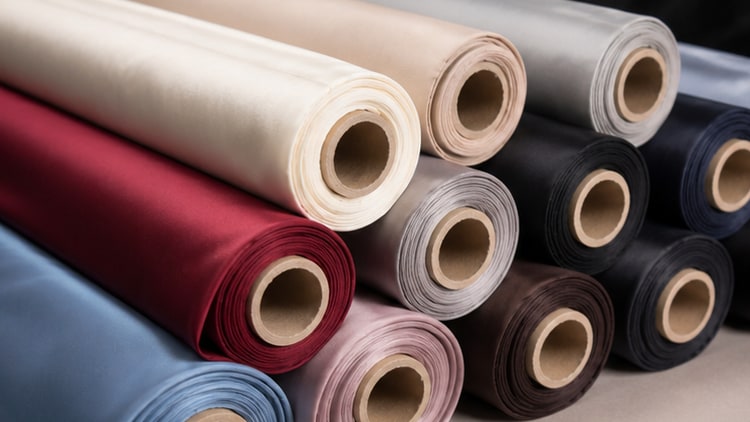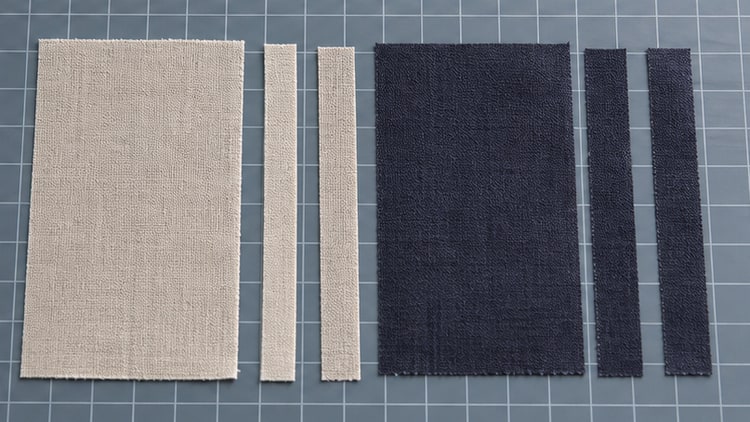
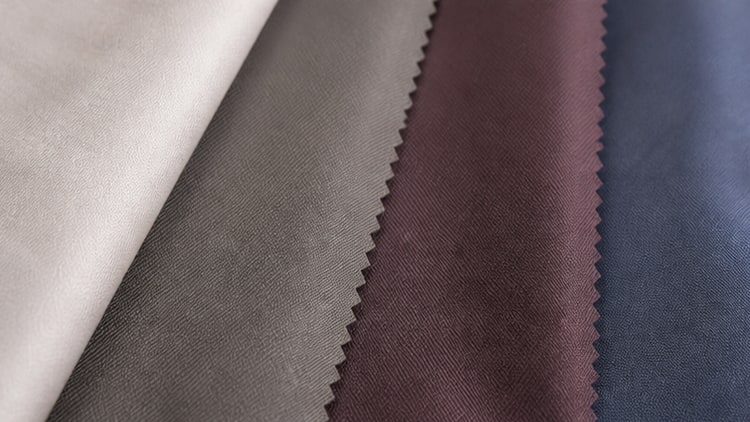
Lining fabric is hidden inside the garment, but it is an important layer for managing heat, moisture and movement near the body. Selecting only for a smooth surface can make a garment feel stuffy in warm conditions or slow moisture drying. Breathability alone is not enough either, because show-through, durability and sewing stability must also be considered with the wear environment and garment construction.
Define the wear climate and lined area first
Summer uniforms, all-season jackets and winter coats require different comfort profiles. Confirm whether the full body or only sleeves are lined and whether heat-prone areas such as underarms and the back are covered. For garments worn in the GCC region, including movement between air-conditioned interiors and hot outdoor conditions, lining candidates should be compared across that temperature change.
Evaluate breathability as a shell-and-lining assembly
A breathable lining cannot create airflow if a coated or high-density shell blocks it. Compare standalone values with the actual shell, interlining and lining assembly in the correct layer order. Record pattern-based ventilation features such as vents, back openings or mesh panels separately from material test results.
Distinguish moisture absorption from drying speed
A fabric that absorbs moisture well does not necessarily dry quickly. Review moisture uptake, spreading, drying behavior and residual cling or odor as separate factors. A controlled droplet comparison can help screen candidates, but the final decision should be supported by target care conditions and a wear sample.
Assess skin feel and friction during movement
A lining may feel soft by hand yet cling to the skin around seams, static or damp areas. Repeat actual movements such as putting sleeves on and off, bending the arms and sitting or standing, then check drag and friction noise. Also verify whether the surface finish remains after care.
Balance comfort with sewing and durability requirements
A light, open construction may improve airflow but can be more vulnerable to seam slippage or fraying. Test needle, thread, stitch density and seam allowance for each candidate, and consider reinforcement at high-load areas. For Middle East apparel production, comfort claims should be supported by shape stability through repeated wear and care.
Practical checklist
- Document season, indoor-outdoor temperature, wear duration and lined area.
- Compare airflow through the lining alone and the complete shell-interlining assembly.
- Separate absorption, spreading, drying time and damp-state cling.
- Check skin friction, noise, static and drag during realistic movement.
- Recheck surface feel, dimensions, seams and drying performance after care.
Related products and consultation
Wear comfort should be evaluated with the full assembly, not only the lining fabric, including the shell and any fusible interlining. Share season, garment type, care method and production location through contact.
FAQ
Is a highly breathable lining always best for summer garments?
No. A blocking shell can limit the benefit, while a very open lining may lack opacity or seam durability, so the complete assembly must be evaluated.
Does good moisture absorption mean sweat dries quickly?
Absorption and drying are different properties. A fabric may retain more moisture and dry slowly, so spreading area, drying time and damp-state feel should be compared separately.