In textile finishing, adhesive coating and laminating are often mentioned together, but their structures and review criteria are different.
Features of adhesive coating
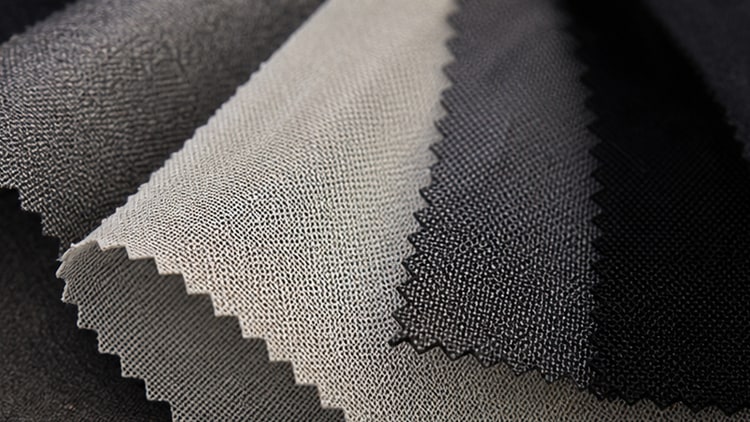
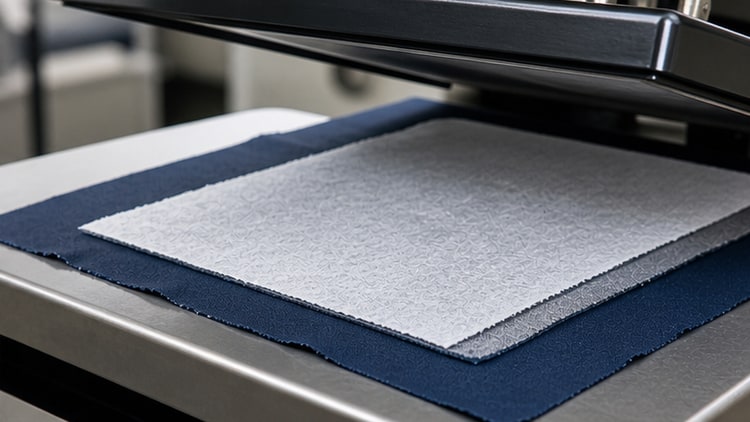
Adhesive coating forms an adhesive layer on the fabric surface so it can bond with another fabric or subsidiary material. Fusible interlining, where adhesion changes according to heat and pressure conditions, is a representative example.
Features of laminating
Laminating combines fabric with film, foam or another textile to create a composite material. It is reviewed when characteristics that are difficult to achieve with a single fabric, such as water resistance, thickness, cushioning or reinforcement, are required.
When hot melt coating is reviewed
Hot melt adhesives can reduce drying-process burden and allow relatively fast bonding. However, the end-use temperature condition, flexibility and adhesion-strength requirements must be checked together.
Which method should be selected?
The choice depends on whether the product needs a material that simply bonds, a surface function, or composite bonding with another material. It is important to organize the product structure and use environment first.
Pre-testing to reduce defects
Adhesion failure, surface lifting, curling and excessive stiffness usually occur when material conditions and processing conditions do not match. Temperature, pressure, speed and cooling conditions should be checked together during testing.
Practical checklist
- Check the material to be bonded together.
- Define the required flexibility and thickness of the finished product.
- Separate purposes such as water resistance, stain resistance and reinforcement.
- Check possible curling or shrinkage after processing.
- Set production conditions based on sample test results.
FAQ
Is adhesive coating always thinner than laminating?
It is often designed thinner, but it depends on coating amount and material combination. Testing is needed based on the desired thickness and hand feel.
For water resistance, is laminating always the correct choice?
Film laminating is often advantageous, but depending on the required level and fabric structure, coating methods can also be reviewed.
Information to prepare before consultation
If you share the fabric type, width, weight, desired coating side, end use, required adhesion and washing, heat or friction conditions, we can review the processing direction more quickly.
Related service details are available on the Textile Coating and Laminating Processing page. For sample testing and quotations, please use the contact page.