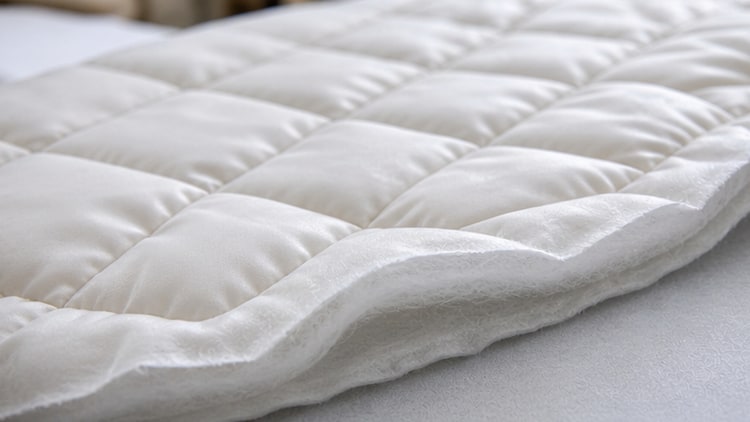
Padding material is a key material that affects the thermal insulation, volume, and fit of winter clothing and functional clothing. Before ordering, it is recommended to check not only the thickness but also the weight, purpose, and sewing conditions.
thickness and weight
Even if the thickness is thick, the actual thermal insulation and fit may vary depending on the material and weight. Specifications should be based on the target volume and fit of the finished product.
Applicable clothing
- jumpers and outerwear
- coats and uniforms
- winter work clothes
- functional clothing
Checklist before ordering
- Required thickness and weight
- Fabric width and cutting method
- Whether volume is maintained after sewing
- Delivery lead time and repeatability
Product consultation Padding Material You can check it on the page.
How to Judge Padding Material Orders in Practice
Padding material orders should be reviewed together with garment purpose, target quality and production schedule rather than decided by a single criterion. If material issues are found after bulk production begins, cutting and sewing schedules can be delayed, so standards should be clarified during the sample stage.
Quality Check Checklist
- Check weight, volume, warmth, recovery and shape after sewing first.
- Compare thickness and hand feel with the outer fabric and subsidiary material together.
- Check that there are no appearance changes after sewing or fusing.
- For repeat production items, check whether the same specification can be supplied again.
Information to Prepare Before Inquiry
If you prepare target thickness, weight, garment application and delivery schedule in advance, consultation and sample proposals can be much faster. If you have a material currently in use, sharing the product name, photos, sample and any issues is also helpful.
Final Decision Criteria
Even when subsidiary materials are not highly visible in the finished garment, they affect comfort, durability and production stability. Therefore, it is safest to compare price, delivery and quality standards together and, when necessary, test with the actual fabric before finalizing specifications.