It is difficult to select apparel interlining simply by looking at thickness or price. This is because the characteristics of the shell fabric, application area, washing method, and sewing process all affect the results.
Check fabric properties
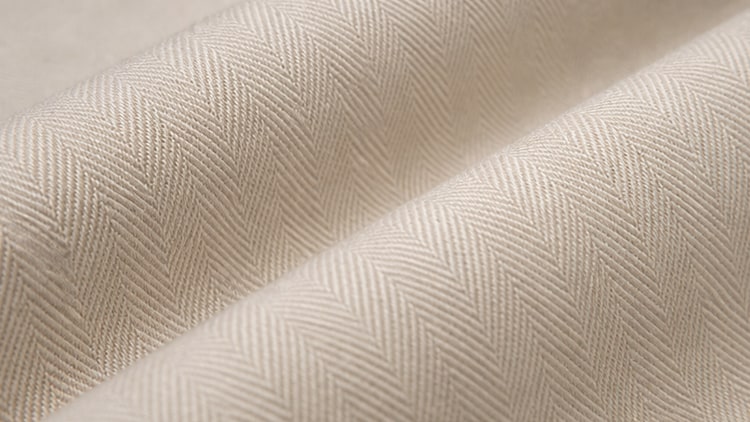
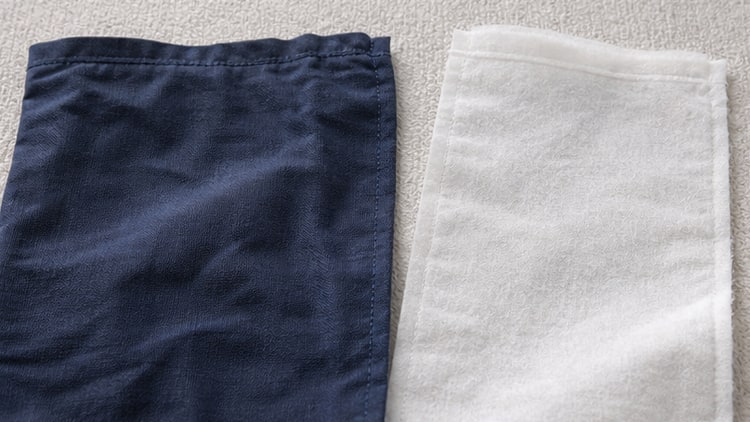
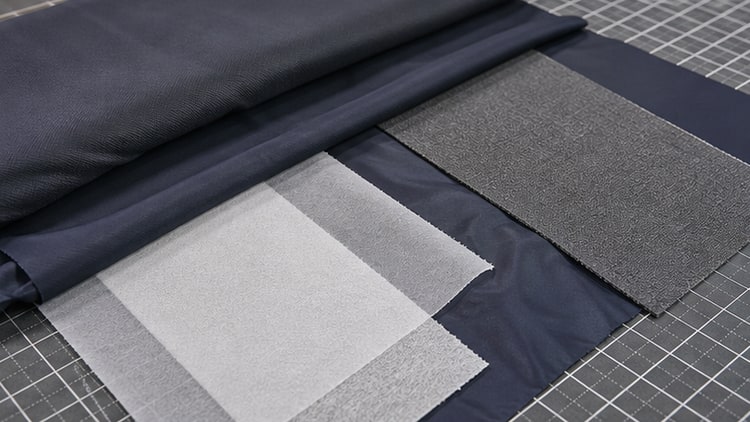
Thin and flexible fabrics require soft interlining, while fabrics where shape stability is important require strong interlining. If the difference in hand feel between the shell fabric and the interlining is large, the fit of the finished product may become awkward.
Check application area
- Collar and cuffs: shape retention
- Jacket front: silhouette stable
- Lapel: natural bend
- Uniform: repeated wear durability
Check washing conditions
Adhesion stability and shrinkage potential must be checked depending on water washing, dry cleaning, or high-temperature pressing. Testing for each fabric is required before mass production.
Related products are fusible interlining, woven interlining You can check it on the page.
How to Judge Apparel Interlining Selection in Practice
Apparel interlining selection should be reviewed together with garment purpose, target quality and production schedule rather than decided by a single criterion. If material issues are found after bulk production begins, cutting and sewing schedules can be delayed, so standards should be clarified during the sample stage.
Quality Check Checklist
- Check fabric characteristics, application area, washing conditions and shape stability first.
- Compare thickness and hand feel with the outer fabric and subsidiary material together.
- Check that there are no appearance changes after sewing or fusing.
- For repeat production items, check whether the same specification can be supplied again.
Information to Prepare Before Inquiry
If you prepare the outer fabric blend, application area, washing method and desired stiffness in advance, consultation and sample proposals can be much faster. If you have a material currently in use, sharing the product name, photos, sample and any issues is also helpful.
Final Decision Criteria
Even when subsidiary materials are not highly visible in the finished garment, they affect comfort, durability and production stability. Therefore, it is safest to compare price, delivery and quality standards together and, when necessary, test with the actual fabric before finalizing specifications.