
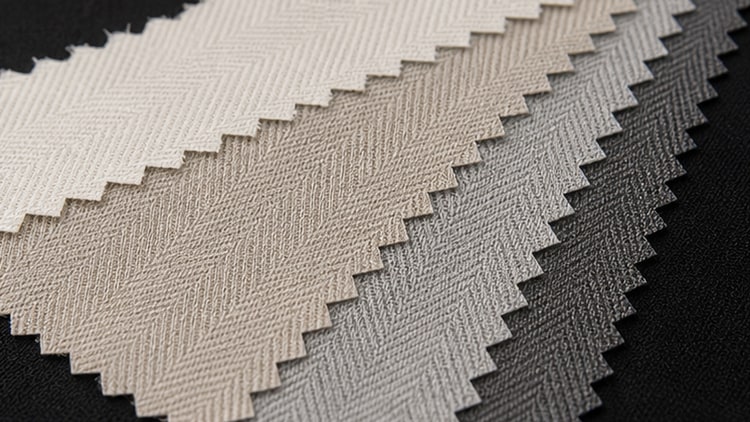
Woven interlining is a reinforcing material used in clothing that requires texture and strength. This can be especially useful for products where silhouette and durability are important, such as suits, jackets, coats, and uniforms.

Features of woven interlining

Fabric-based interlining has good shape stability and can provide natural elasticity and strength depending on the application area. However, because results vary depending on shell fabric, sewing method, and adhesion conditions, prior testing is important.

suitable clothing

  • suits jacket and lapels
  • coats and outerwear
  • uniforms and work clothes
  • High-end garment internal reinforcement

Difference from nonwoven interlining

Nonwoven interlining has the advantage of versatility and uniformity, while woven interlining is advantageous where strength and texture are required. It is best to make an actual choice by looking at the hand feel, silhouette, and washing conditions of the finished product.

Product consultation woven interlining Please refer to the page.

Situations where woven interlining is necessary

Woven interlining is considered in products that require better texture and strength than regular nonwoven interlining. Clothing where silhouette is important, such as suits, coats, and jackets, has a significant difference in completeness depending on the choice of interlining. It needs to be in shape, but if it becomes too hard, it will be less comfortable to wear, so harmony with the fabric is important.

Application points by garment area

  • Front plate: It dictates the overall silhouette and drape.
  • Lapel: Make sure the bends and volume are natural.
  • shoulder: We look at both shape stability and fit.
  • collar: Check the shape retention and finish after sewing.

When compared to nonwoven interlining

Nonwoven interlining has advantages in uniformity and versatility, while woven interlining has advantages in texture and strength control. Even within one product, there are cases where two types are applied separately for each area.

Frequently Asked Questions

Is woven interlining only used for high-end clothing?

It is often used in high-quality clothing, but can also be used in products that require shape stability and durability, such as uniforms and workwear.

Is there an adhesive type for woven interlining?

Depending on the product specifications, you can consider adhesive and non-adhesive types. It must be selected according to the applied fabric and process conditions.

Related product: woven interlining · nonwoven interlining

How to Judge Woven Interlining Applications in Practice

Woven interlining applications should be reviewed together with garment purpose, target quality and production schedule rather than decided by a single criterion. If material issues are found after bulk production begins, cutting and sewing schedules can be delayed, so standards should be clarified during the sample stage.

Quality Check Checklist

  • Check silhouette, strength and shape retention for suits, coats and uniforms first.
  • Compare thickness and hand feel with the outer fabric and subsidiary material together.
  • Check that there are no appearance changes after sewing or fusing.
  • For repeat production items, check whether the same specification can be supplied again.

Information to Prepare Before Inquiry

If you prepare application area, outer fabric thickness, washing conditions and target hand feel in advance, consultation and sample proposals can be much faster. If you have a material currently in use, sharing the product name, photos, sample and any issues is also helpful.

Final Decision Criteria

Even when subsidiary materials are not highly visible in the finished garment, they affect comfort, durability and production stability. Therefore, it is safest to compare price, delivery and quality standards together and, when necessary, test with the actual fabric before finalizing specifications.
/contact/