Garment padding is not automatically warmer because it is thicker or heavier. Trapped air, compression, quilting spacing and the air permeability of shell and lining work together to determine insulation and comfort in the finished garment. Compare samples in the actual layer order and garment-area construction rather than relying only on standalone material values.
Define wear temperature and activity level first
A coat for stationary outdoor waiting, a commuting jacket and active workwear need different levels of insulation and moisture release. Document indoor-outdoor transitions, wear duration, wind exposure and average activity in addition to minimum temperature. A defined use environment makes thermal and wear-test acceptance criteria more meaningful.
Evaluate retained air rather than weight and thickness alone
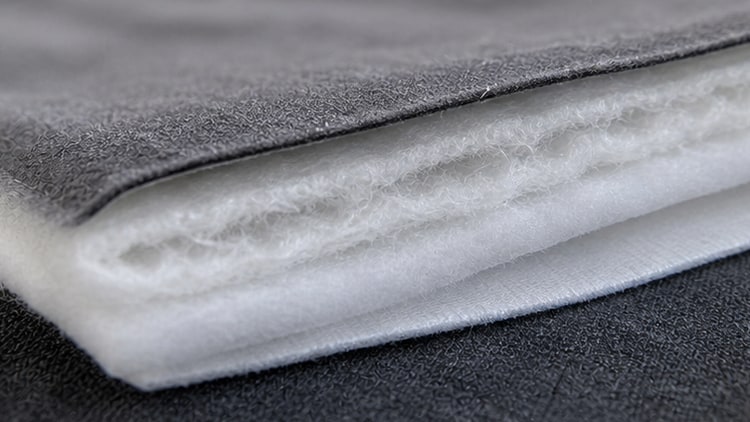
At the same weight, fiber fineness, orientation and density can create different air spaces and heat transfer. Record thickness under a defined load and after release, not only the initial loft, to estimate how insulation may be retained during wear. Use this information to explain thermal performance while keeping it distinct from a separate clumping durability assessment.
Measure breathability with the shell and lining assembly
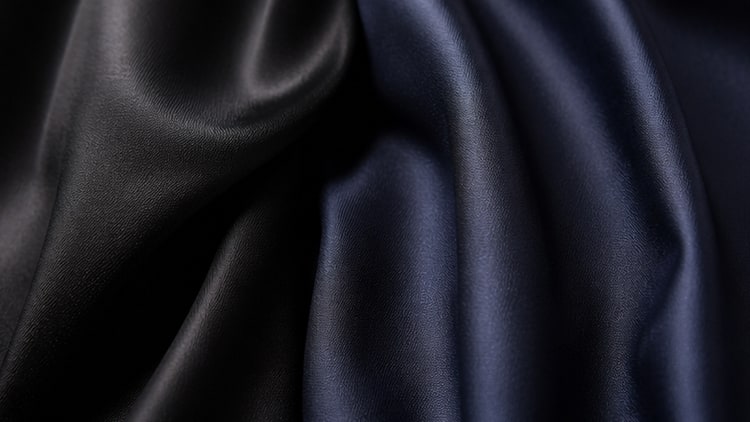
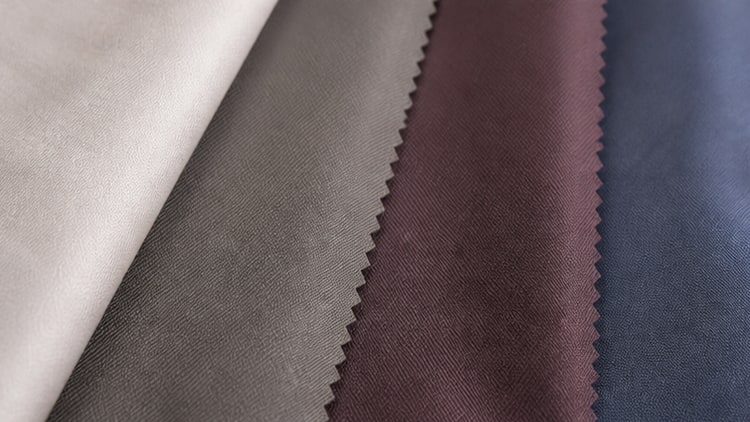
Breathable padding cannot prevent stuffiness if a dense shell or coated lining blocks airflow. If every layer is too permeable, wind-driven heat loss may increase. Stack shell, padding and lining in the actual order to compare airflow and moisture movement, and review garment vents as part of the system.
Check cold spots created by quilting and seams
Padding is compressed along quilting lines, which can create paths for heat loss. Very tight spacing or many intersecting seams may stabilize appearance while reducing the effective insulated area. Apply the intended quilting spacing to body, shoulder and side areas with different compression, then compare heat distribution and surface temperature differences.
Adjust padding and layers by garment area
The torso, sleeves, collar and pocket areas require different warmth and mobility. Extending torso thickness unchanged into sleeves and armholes can add bulk and bending resistance. Balance movement and insulation through different weights of the same material or area-specific layer reduction, then inspect transitions for visible steps.
Connect laboratory data with wear evaluation
Thermal resistance and air-permeability data help screen candidates, but they do not capture wind, humidity and activity together. Build candidate garments from the same pattern and record temperature change, internal moisture, movement and wearer feedback. For lightweight insulated garments supplied to the Middle East, including the GCC region, transitions between outdoor heat and strong indoor air conditioning may favor adjustable layering over excessive insulation.
Practical checklist
- Define wear temperature, duration, wind exposure and activity level.
- Compare initial thickness with retained air after a defined load.
- Evaluate airflow and moisture movement through the actual shell-padding-lining assembly.
- Check cold spots and layer steps caused by quilting and area-specific compression.
- Record temperature, moisture, mobility and wearer feedback on same-pattern samples.
Related products and consultation
Insulation and breathability should be evaluated as a complete assembly, not only as garment padding material, including the shell and lining fabric. Share garment type, target climate, quilting spacing and care conditions through contact for export-oriented material consultation.
FAQ
Does thermal insulation increase directly with padding weight?
Not always. Fiber structure, trapped air, compression, quilting and shell wind resistance all contribute, so thermal performance should be compared on the finished assembly.
Does higher breathability always make a padded garment more comfortable?
It can help moisture release during activity, but strong wind may increase heat loss. Balance wind resistance and breathability for the intended wear environment.