Materials requiring water-repellent or stain-resistant functions should be reviewed together with the fabric structure and final use conditions, not judged only by the coating method.
Difference between water resistance and stain resistance
Water resistance reduces water penetration, while stain resistance reduces the degree to which contamination attaches or penetrates. The two functions are sometimes required together, but their test standards can differ.
Why fabric structure matters
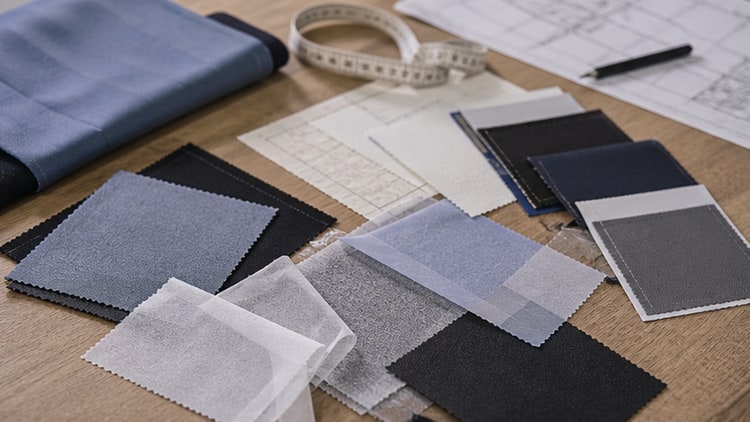
Fabric density, thickness, surface roughness and pore structure affect coating-layer stability. Even under the same coating conditions, nonwoven, woven and film-composite materials can show different results.
Advantages of one-side coating
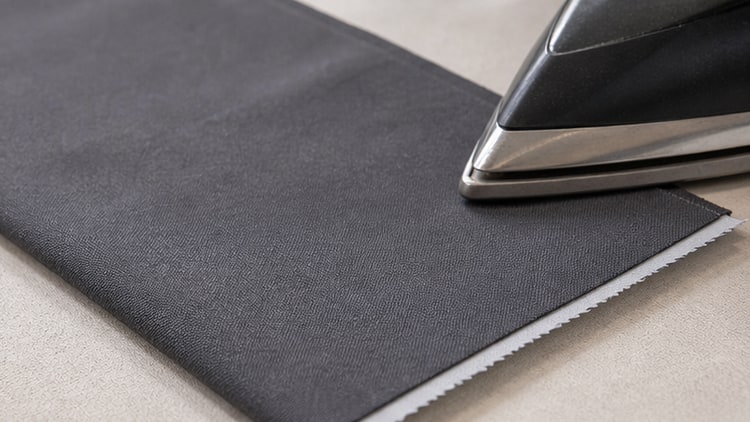
By coating only the required side, some hand feel, absorbency and flexibility can be maintained on the opposite side. This can be an advantage for products where one-side function matters, such as covers, protective materials and work support materials.
Items that should be tested
Water contact, friction, folding, heat and lifting after storage should be checked. For products exposed to repeated folding, in-use stability can be more important than initial performance.
Information needed for consultation
If you share the use environment of the finished product, required water-resistance level, washing conditions, friction conditions, packaging and storage method, processing feasibility can be reviewed more accurately.
Practical checklist
- Separate whether the purpose is water resistance or stain resistance.
- Decide whether the function is needed on one side or both sides.
- Check folding and friction conditions during use.
- Check fabric pores and surface roughness.
- Quantify performance criteria after sample testing.
FAQ
Does water-resistant coating always make fabric stiff?
It depends on coating amount and material combination. If flexibility must be maintained, hand feel and bending properties should be checked during sampling.
Can nonwoven fabric be used as a water-resistant material?
It can be reviewed depending on the required level. The method differs depending on whether complete barrier performance is needed or whether everyday water-repellent or contamination-prevention support is enough.
Information to prepare before consultation
If you share the fabric type, width, weight, desired coating side, end use, required adhesion and washing, heat or friction conditions, we can review the processing direction more quickly.
Related service details are available on the Textile Coating and Laminating Processing page. For sample testing and quotations, please use the contact page.